Care and Support Options for Seniors in Michigan
A simple guide to the main senior living and care options in Michigan, including staying at home, independent living, Adult Foster Care, and Homes for the Aged.
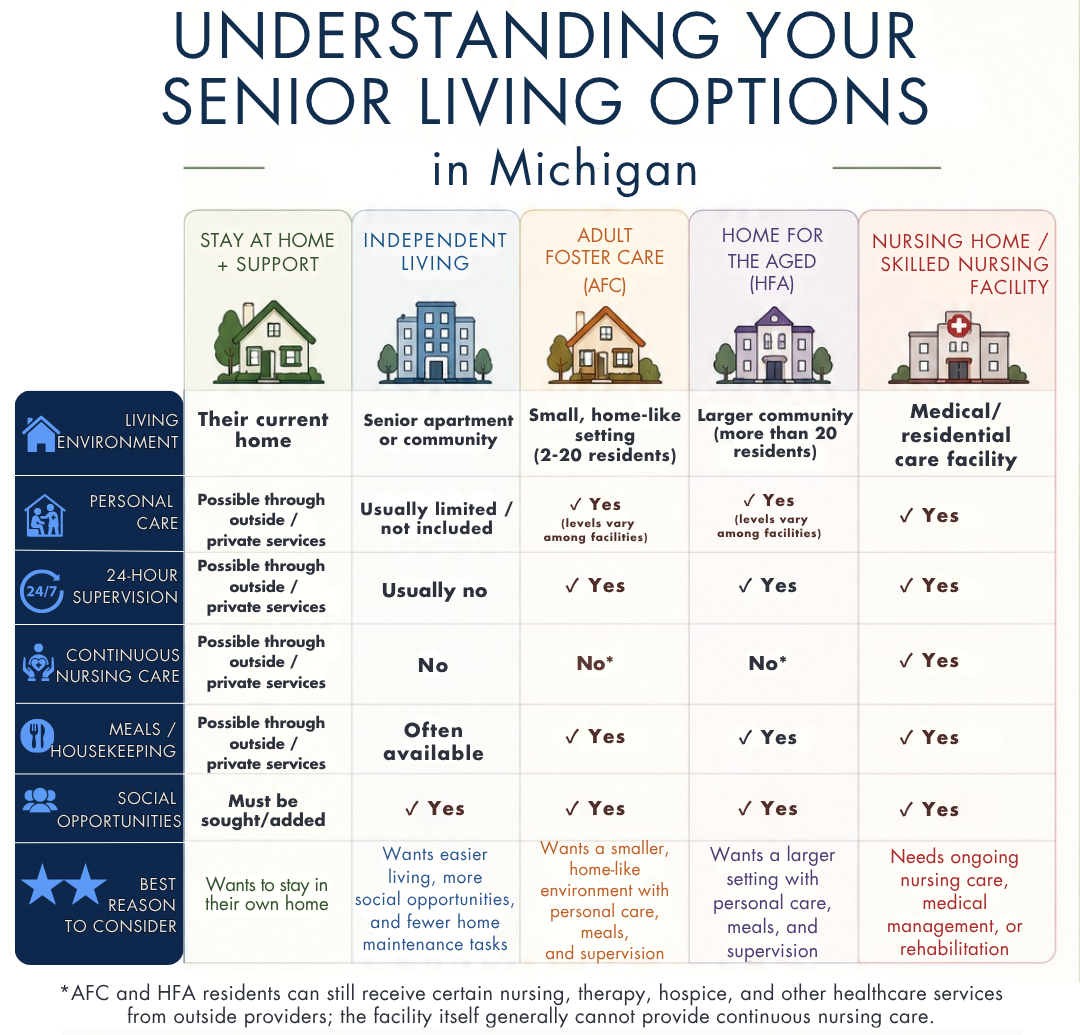
The following is a summary of the main care and support options available in Michigan and how they differ, so you can better understand which type of care may be the best fit for your loved one.
AT HOME SUPPORT
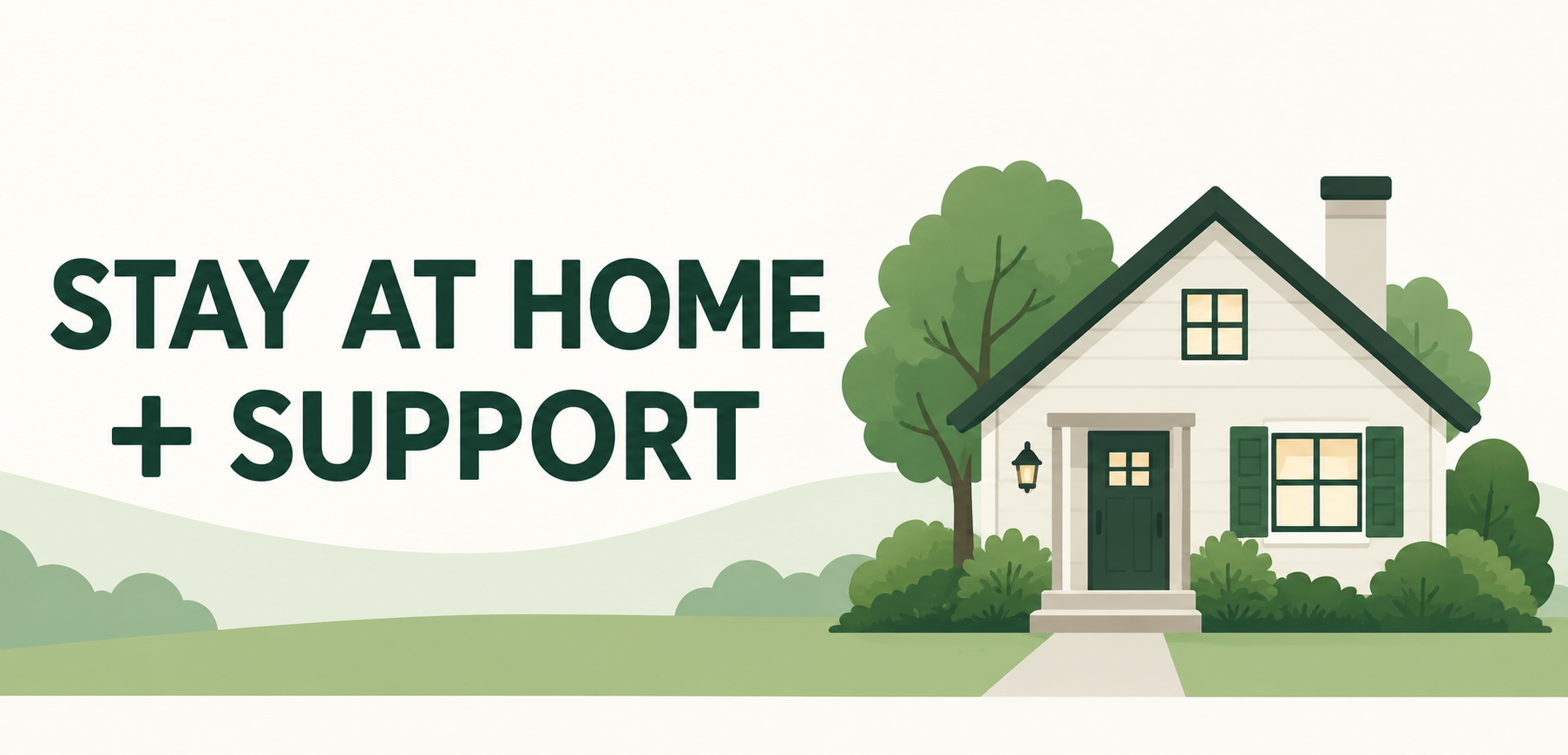
Best when: Mom or Dad wants to remain in the comfort of their own home and their needs can safely be met there.
Stay at Home + Add Support
Staying at home can look very different depending on how much help is needed. Support can range from housekeeping, meals, transportation, and companionship to personal care, medication assistance, therapy, and skilled nursing care at home. There are some programs in Michigan that may be able to help cover home care cost.
Think: “How can we bring the support Mom or Dad needs to them, rather than moving them somewhere else?”
My personal opinion - This can be a great option for someone who has a strong support system around them. Today, it is easier than ever to stay at home with services like meal delivery, medication delivery, housekeeping, home care, and rideshare apps like Uber and Lyft. At the same time, being able to safely remain at home is a privilege. Not everyone has nearby family, reliable caregivers, or the financial resources needed to make that option work long term.
Independent Living
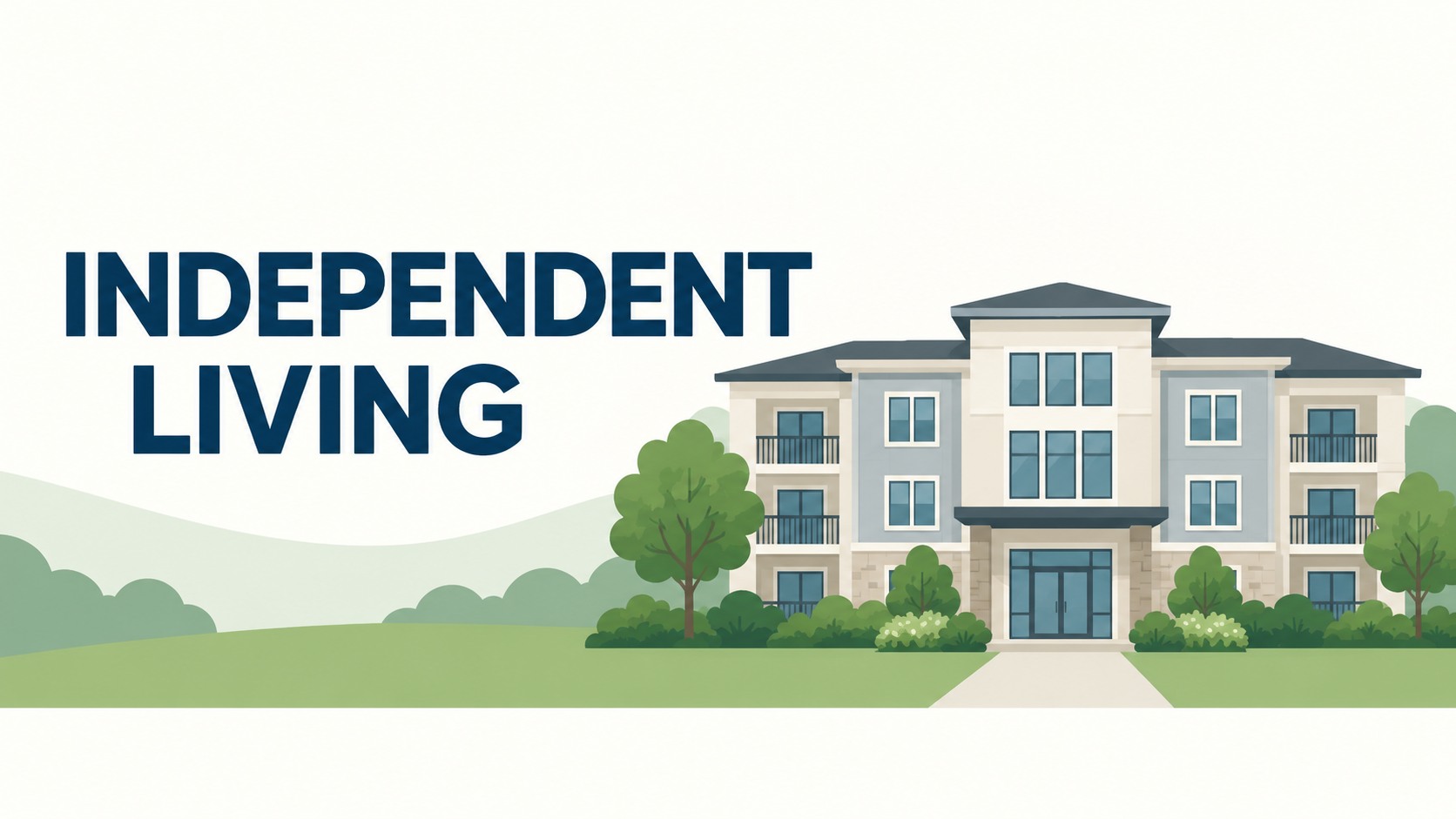
Best when: Mom or Dad can generally take care of themselves but doesn't want the responsibility or isolation of living alone.
Independent Senior Living
These are typically apartments or communities designed for older adults. They may provide meals, activities, transportation, housekeeping and social opportunities, but they primarily offer housing rather than hands-on personal care.
Think: “Mom or Dad doesn't really need a caregiver—she'd just benefit from an easier, more social living environment.”
My personal opinion - Independent living can be a much easier transition for some people because it often feels more like moving into an apartment community that also provides things like meals, housekeeping, transportation, and social activities. It can be a great option for someone who is still able to care for themselves independently. However, if there are concerns that they may need more help in the near future, it may be worth considering a setting that can provide additional support as needs change, so another move is not required later.
ADULT FOSTER CARE (AFC) / HOMES FOR THE AGED (HFA)
Best when: Mom or Dad can no longer live completely independently and needs regular supervision or help with daily life, but does not need continuous nursing-home-level medical care.
Adult Foster Care (AFC)
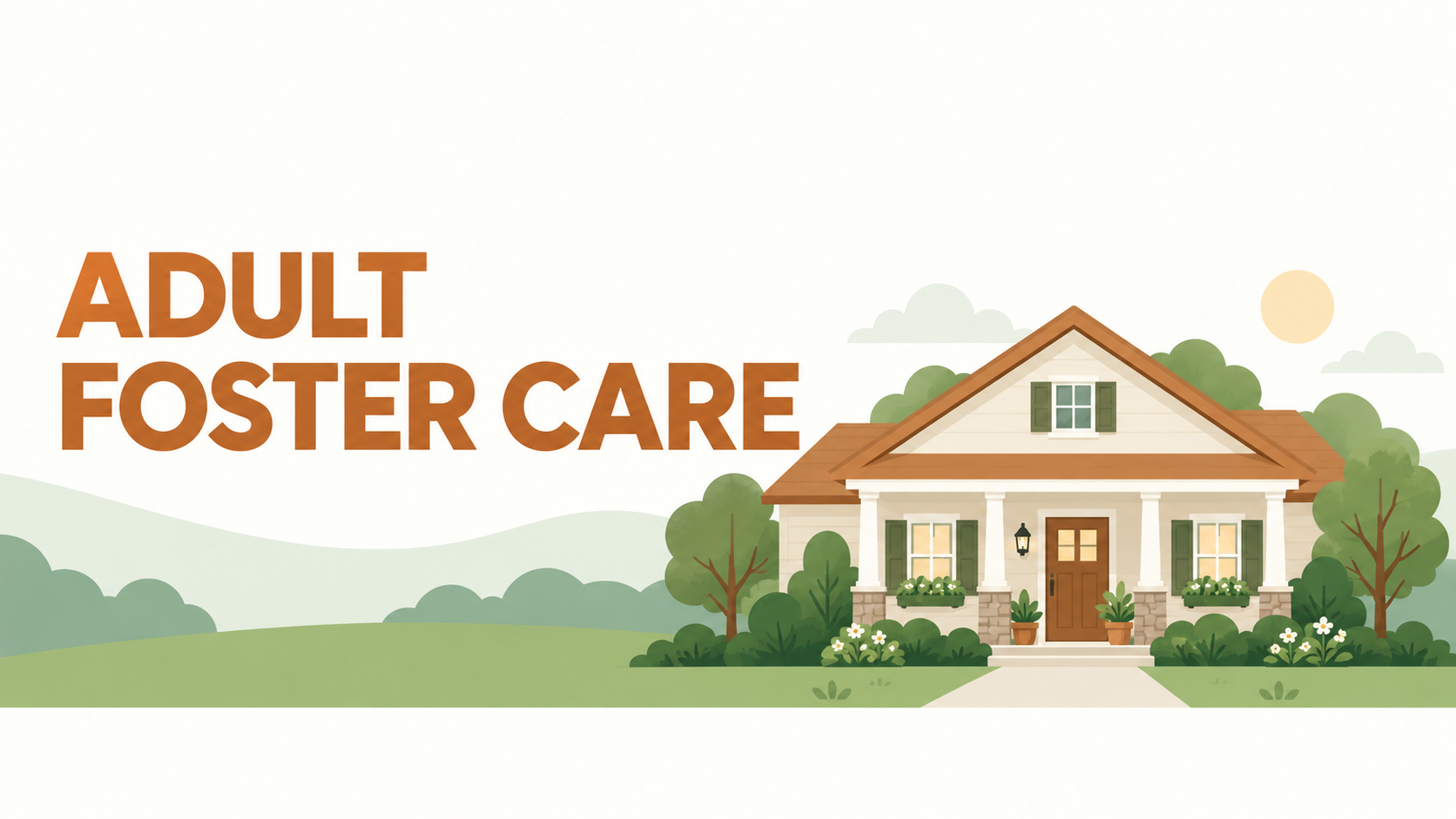
Biggest Distinction: 20 or fewer residents per home. Can serve adults 18+, but individual homes may specialize in senior care. The average AFC home in Michigan has 7 beds.
AFC provides room and board plus supervision, personal care, activities, and protection for people who need assistance but don't require continuous nursing care.
Michigan Adult Foster Care homes can range from a small, house-like setting to a much larger residential facility. AFC Family Homes serve up to 6 residents and the licensee lives in the home. AFC Small Group Homes serve up to 12 residents, while AFC Large Group Homes serve 13–20 residents; in group homes, the licensee does not have to live in the home.
Think: “Mom or Dad needs regular help and supervision, but we'd really like her to live in a smaller to mid-sized home environment.”
My personal opinion - Adult Foster Care is often overlooked when people start looking for care, but I think it should be one of the first options considered. It gives someone the chance to live in a more normal-sized home instead of a large facility surrounded by dozens of other residents. Because these homes are smaller, they may be less likely to deal with some of the problems that can come with larger facilities, like residents getting lost in the shuffle, less personal attention, more layers of management, and staff caring for too many people at once. That said, small does not automatically mean good, so it is still very important to check for violations and look closely at how the home is actually run.
Home for the Aged (HFA)
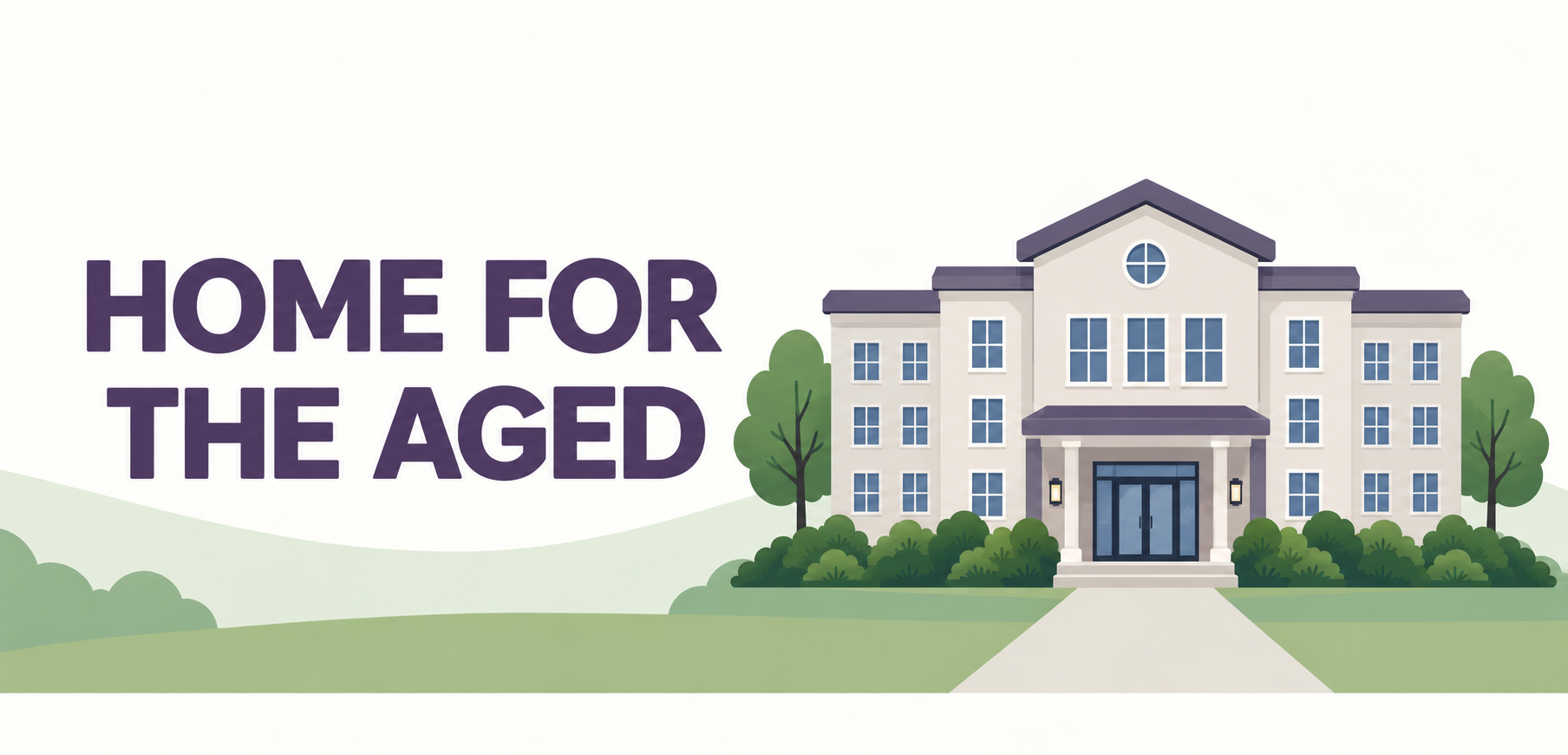
Biggest Distinction: 21 or more residents (55+) per home. Some facilities have 100+ beds. The average AFC home in Michigan has 80 beds.
Michigan describes an HFA as providing room, board and supervised personal care to older adults. HFAs are generally larger facilities—Michigan's standard definition covers facilities serving 21 or more residents 55 years or older.
These may offer considerably more amenities than many AFC do: dining rooms, activity spaces, scheduled programming, larger events, salons, transportation, etc., depending on the facility.
Think: “Mom or Dad needs assistance, but we'd like a larger senior community with lots of people and amenities.”
My personal opinion - Larger facilities can sometimes offer more resources, more organized activities, more food options, and in some cases lower prices because of their size. On the other hand, bigger facilities can also mean more layers of management and ownership being farther removed from the day-to-day care, which can make it easier for problems to slip through the cracks. As always, check for published licensing violations and pay attention to how the facility is actually run. There are plenty of larger facilities with excellent reputations and consistently positive reviews, so I would not rule one out simply because of its size.
Important to Note:
AFC can care for any adult while some specialize in elderly adults only, while HFA only cares for residents 55+. AFC facilities have less than 21 residents while the average HFA in Macomb and Oakland county has the capacity for 80 residents.
Michigan does not have a specific license called “assisted living” or “independent living.” Communities using these terms may be licensed as an Adult Foster Care (AFC) or Home for the Aged (HFA), while some may not require either license.
Some facilities are exempt from AFC/HFA licensing

Some Michigan facilities are allowed to operate under a license exemption rather than an AFC or HFA license. These facilities do not operate under the same AFC/HFA licensing rules, so they may not have the same LARA inspection, violation, or special investigation reports.
Opinion: To be honest, I’m not a lawyer or a licensing expert, so I’m still learning exactly how some of these facilities qualify for an exemption. At first, I assumed they were exempt because they didn’t provide personal care, but from the research I’ve done so far, some exempt facilities clearly advertise personal care services. In those cases, it appears the housing and care may be provided by separate companies, or the facility may be operating under another type of license.
The law allows these exemptions for a reason, but I’ll admit, it still bothers me a little that some facilities may not be held to the same AFC/HFA licensing standards or have investigation reports published in the same way.
I’m definitely not saying exempt facilities are shady. Many independent living communities are exempt simply because they don’t provide the level of supervision or personal care that requires an AFC or HFA license. For the others, I think families should do a little extra research and decide for themselves if the facility seems trustworthy.
Nursing home / skilled nursing facility
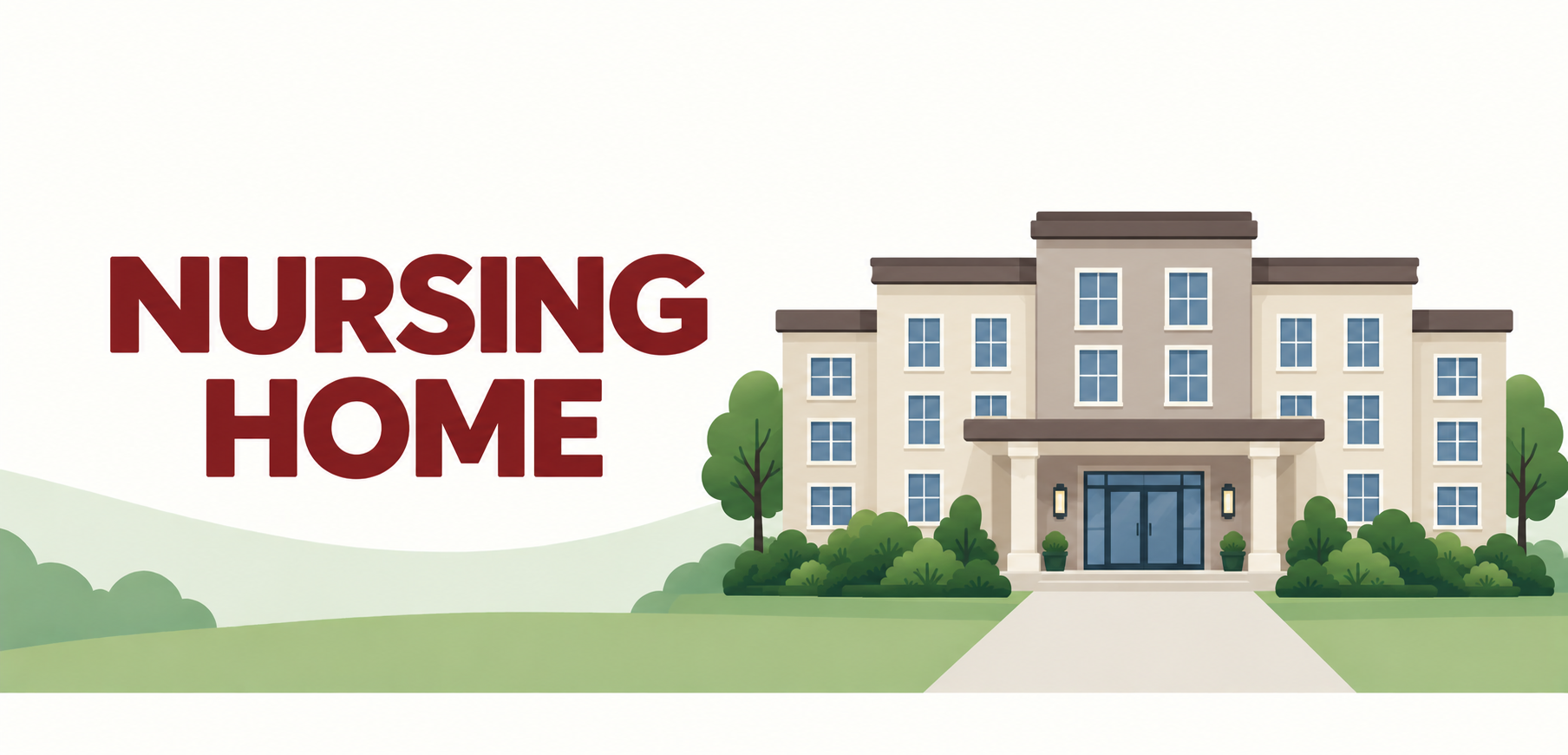
Best when: Mom or Dad has significant medical, nursing, rehabilitation, or personal-care needs that require a higher level of care than an AFC or HFA can provide.
Nursing homes provide 24-hour nursing care, personal care, medication management, and rehabilitation services.
These homes have different regulations than AFC/HFA and our site currently does not focus on nursing homes.
There are two common types of stays:
- Short-Term Rehabilitation — Temporary care after a hospitalization, surgery, stroke, injury, or illness, with the goal of returning home or to a lower level of care.
- Long-Term Nursing Care — Ongoing residential care for someone with significant medical and daily-care needs who requires 24-hour support.
Specializations
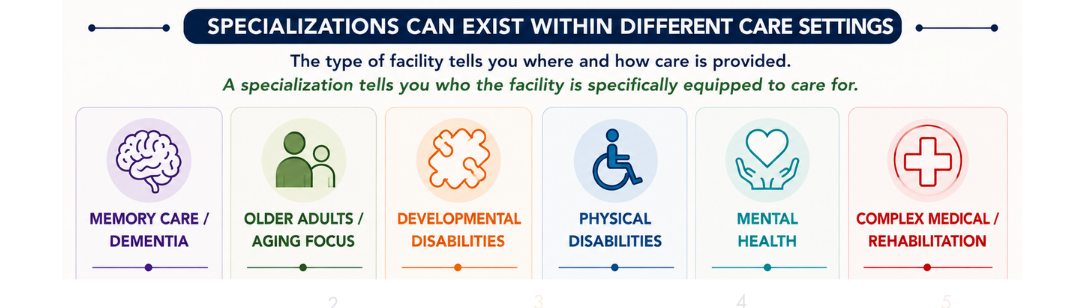
Best when: Mom or Dad has a specific condition, disability, diagnosis, or care need that may be better supported by a home or facility with specialized staff, training, services, or accommodations.
Many senior living homes and facilities can specialize in caring for certain populations or needs, such as
- memory care/dementia
- older adults
- developmental disabilities
- physical disabilities
- mental health needs
- complex medical and rehabilitation needs
A specialization like “memory care” is not a separate Michigan license type, so two facilities advertising the same specialization may offer very different levels of care, staffing, training, security, and services. Always ask what the facility is actually licensed as and what specialized care it is equipped to provide.
Levels of Care
These following care levels are not a universal or official measurement system, and different facilities may use terms like “low,” “moderate,” or “high” care in very different ways. This is simply a general guide to help families understand the kind of support a person may need. The actual level of care should always be based on the individual’s abilities, safety needs, medical needs, and the specific services a home is able to provide.
None / Minimal Care: Mostly independent. May only need help with meals, housekeeping, transportation, reminders, or occasional check-ins.
Low Care: Still fairly independent but may need some regular support. May or may not need help with bathing or dressing, and may need medication reminders, light supervision, or help with a few daily tasks.
Moderate Care: Needs regular hands-on help with daily activities such as bathing, dressing, medications, mobility, toileting, or more consistent supervision.
High Care: Needs extensive daily assistance and close supervision, often with multiple activities of daily living, transfers, significant mobility limitations, advanced memory or safety concerns, or more complex medical needs.